
Garage Door Opener Motors: AC vs. DC Power, Horsepower Ratings, and Lifting Capacity
Selecting the right garage door motor is critical for longevity and safety in the San Diego climate. Learn how AC vs. DC power and horsepower ratings impact your home's performance.
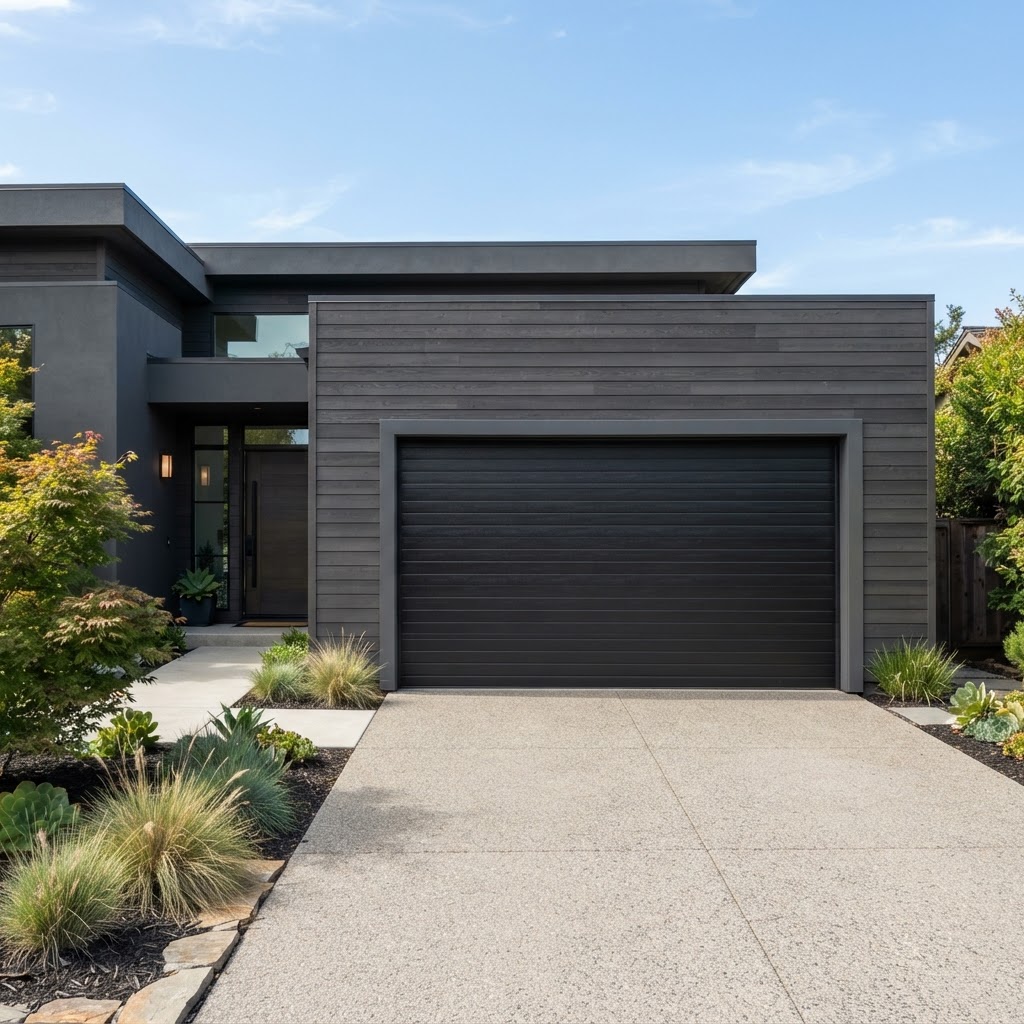
Understanding Your Garage Door Motor: The Heart of Your System
For homeowners in San Diego, the garage door is often the main entry point to the home. Whether you are dealing with the coastal salt air in La Jolla or the intense inland heat in Poway, your garage door opener is constantly working against environmental factors. At ProShield Garage Doors, we frequently see homeowners choose the wrong motor type, leading to premature gear failure and unnecessary service calls. This guide breaks down the technical details of motor power, lifting capacity, and why these choices matter here in Southern California.
AC vs. DC Power: What is the Real Difference?
Garage door openers are powered by two primary types of motors: Alternating Current (AC) and Direct Current (DC). Understanding the difference is the first step in making an informed decision.
The Case for AC Motors
Traditionally, most garage door openers used AC motors. These motors operate at a constant speed and are known for their raw, brute-force strength. While they are reliable, they are generally noisier and lack modern convenience features. Because they run at a fixed speed, they often 'slam' shut, which causes significant vibration throughout your home's structural framing—a concern for many San Diego property owners with attached garages.
The Advantage of DC Motors
DC motors have become the industry standard for modern installations. Unlike AC motors, DC motors convert AC power to DC, allowing for variable speed control. This enables 'Soft Start and Stop' technology, which slows the door down as it reaches the floor or the top of the tracks. This reduces wear and tear on your rollers, hinges, and the opener itself. Furthermore, DC motors are significantly quieter, which is a major benefit if your bedroom is located above the garage.
Horsepower (HP) and Lifting Capacity
A common misconception is that 'more horsepower is always better.' While an overpowered motor might lift a door, it can actually be dangerous if the safety sensors are not calibrated perfectly. Conversely, an underpowered motor will burn out its internal gears prematurely.
How to Calculate Your Needs
- Residential Standard: For a standard 7-foot, single-car door, a 1/2 HP motor is usually sufficient.
- Heavy Doors: If you have a solid wood custom carriage house door or an insulated steel door with glass inserts, you need a 3/4 HP or 1.25 HP DC motor.
- Weight Distribution: Remember that lifting capacity isn't just about weight; it is about how well your spring system is balanced. A perfectly balanced door should be able to be lifted by hand with minimal effort.
The San Diego Factor: Climate and Maintenance
Living in San Diego offers a unique set of challenges for mechanical components. The salt air near the coast acts as a corrosive agent on metal tracks and internal gears. Meanwhile, the extreme heat inland can cause grease to liquefy and drip, leading to dry, grinding gears.
Expert Tip: If you live within five miles of the ocean, we recommend opting for a wall-mount (jackshaft) opener. These units are mounted on the wall beside the door rather than the ceiling, keeping the motor away from the highest point where heat collects and minimizing the exposure of electrical components to salty air.
Soft Start/Stop Technology: Why It Matters
Soft start/stop is a feature exclusive to DC-powered units. By ramping up the speed slowly, the motor prevents the 'jolt' that occurs when a door starts moving. This technology is vital for San Diego homeowners who want to extend the life of their garage door hardware, as it minimizes the stress placed on your door’s horizontal tracks and cable pulleys.
Immediate Steps for Homeowners
- Perform a Balance Test: Once a month, pull the manual release cord and lift the door halfway. If it doesn't stay in place, your springs are unbalanced and your motor is working twice as hard.
- Check Your Sensors: Ensure your safety eyes are clear of debris, as the high dust levels in some of our inland areas can interfere with the infrared beam.
- Lubricate Regularly: Use a silicone-based lubricant on the rollers and hinges—never use WD-40, which attracts dust and grit.
Expert Installation with ProShield Garage Doors
Selecting the right motor is only half the battle; professional installation is what ensures your system lasts for a decade or more. If you are ready to upgrade to a whisper-quiet DC opener or need a professional assessment of your current motor's lifting capacity, the team at ProShield Garage Doors is here to help. We serve the entire San Diego area, providing expert repairs and installations tailored to our unique local environment. Give us a call today at (858) 900-5450 to schedule your professional inspection.