
Understanding Garage Door Springs: Torsion vs. Extension Mechanics and Life Cycles
Discover how garage door spring mechanics affect your home's safety and longevity. Our expert guide helps San Diego homeowners understand the essential differences between spring systems.
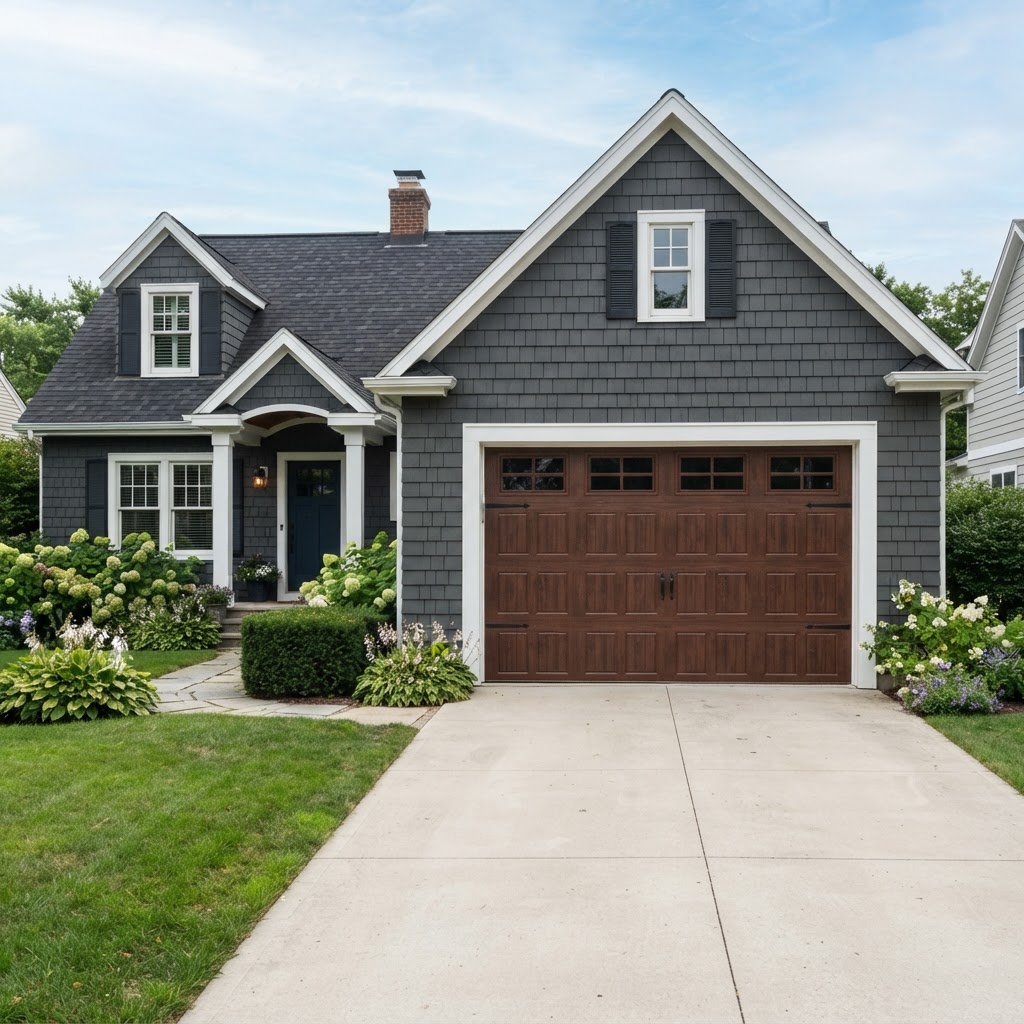
The Backbone of Your Garage System: Understanding Springs
For most homeowners in San Diego, the garage door is the largest moving object in the house. It is used daily, often multiple times, to transition between the hustle of the city and the sanctuary of home. Yet, few people give much thought to the mechanical marvels that actually lift that heavy door: the garage door springs. At ProShield Garage Doors, we see firsthand how the unique San Diego climate—characterized by coastal salt air and fluctuating inland temperatures—impacts these critical components. Understanding the difference between torsion and extension springs is the first step toward home safety and system longevity.
Extension Springs: The Traditional Approach
Extension springs are typically mounted on the sides of the garage door track. They function by stretching when the door is closed and contracting when the door is open. Think of them as giant rubber bands providing the force needed to counterbalance the door's weight.
The Mechanics of Extension
Extension springs operate independently on either side of the door. Because of this, they are prone to becoming unbalanced over time if one spring loses tension faster than the other. This imbalance puts significant strain on the automatic garage door opener and can cause the door to bind or operate crookedly in its tracks.
Safety Considerations
Because extension springs are under extreme tension when stretched, they present a significant hazard if they snap. We always recommend the use of safety containment cables. These cables run through the center of the spring and are anchored to the wall; should the spring break, the cable prevents the metal coil from becoming a dangerous projectile. If you have older extension springs without these cables, call us at ProShield Garage Doors to schedule a safety inspection immediately.
Torsion Springs: The Modern Standard
Most modern residential garage doors in San Diego are equipped with torsion spring systems. These are mounted on a steel shaft directly above the garage door opening. Instead of stretching, torsion springs use torque—a twisting force—to rotate the shaft and wind the springs, which then lift the door.
Why Torsion is Superior
From a technician’s perspective, torsion springs offer much better control and safety. They are mounted on a stationary center bracket, meaning if the spring snaps, the spring stays on the shaft rather than flying across the garage. Furthermore, because torsion springs are designed to counterbalance the door's weight across the entire width of the system, they provide a smoother, more balanced operation that reduces wear and tear on your opener motor.
The San Diego Factor: Climate and Spring Life
Living in San Diego has its benefits, but our local environment is tough on garage hardware.
Coastal Salt Air
If you live in communities like La Jolla, Del Mar, or Pacific Beach, your home is subject to salt-laden air. This moisture accelerates the oxidation process, leading to corrosion. Even a small amount of rust on a spring can create "stress risers"—weak points that cause the spring to fail well before its expected cycle rating. We recommend homeowners in these areas perform seasonal clear-water rinses of their door components to mitigate salt buildup.
Inland Heat
Inland areas like Poway or Santee experience extreme heat. While steel springs are durable, consistent thermal expansion and contraction can eventually fatigue the metal. Regular lubrication with a silicone-based spray can help maintain the integrity of the coils regardless of the heat index.
Understanding Spring Life Cycles
Garage door springs are rated by 'cycles.' One cycle is defined as one full opening and one full closing of the door. Standard residential springs typically come with ratings ranging from 10,000 to 20,000 cycles.
If you open and close your door four times a day, a 10,000-cycle spring will last approximately 7 years. Many homeowners assume their springs will last as long as the door itself, but this is a common misconception. When you start to hear screeching or notice the door struggling to lift, it is often a sign that you have reached the end of your cycle life.
Proactive Maintenance Tips for Homeowners
-
The Balance Test: Every six months, disconnect your automatic opener by pulling the red emergency release cord. Lift the door halfway manually. If it stays in place, your springs are balanced. If it slams down or flies up, the springs have lost tension.
-
Visual Inspection: Look for gaps in the coils. A healthy spring should be tightly wound with no visible gaps. If you see a break or a 2-inch gap, the spring is snapped.
-
Lubrication: Use a high-quality garage door lubricant on the springs and hinges every 3-4 months, especially if you live near the coast.
Professional Replacement
Never attempt to replace a garage door spring yourself. Torsion springs hold enough tension to cause severe injury or property damage if handled improperly. Professional technicians have the specific winding bars and safety training required to calibrate the tension correctly.
When it is time for a replacement, ProShield Garage Doors utilizes high-cycle, powder-coated springs that are specifically engineered to resist the corrosive effects of the Southern California environment. Whether you need a system upgrade or an emergency repair, our team is ready to help.
Contact ProShield Garage Doors at (858) 900-5450 to schedule your professional spring inspection or replacement today. We serve the entire San Diego area, ensuring your garage door remains the safe, reliable entrance your home deserves.